

Melaina Kol
BIOGRAPHY
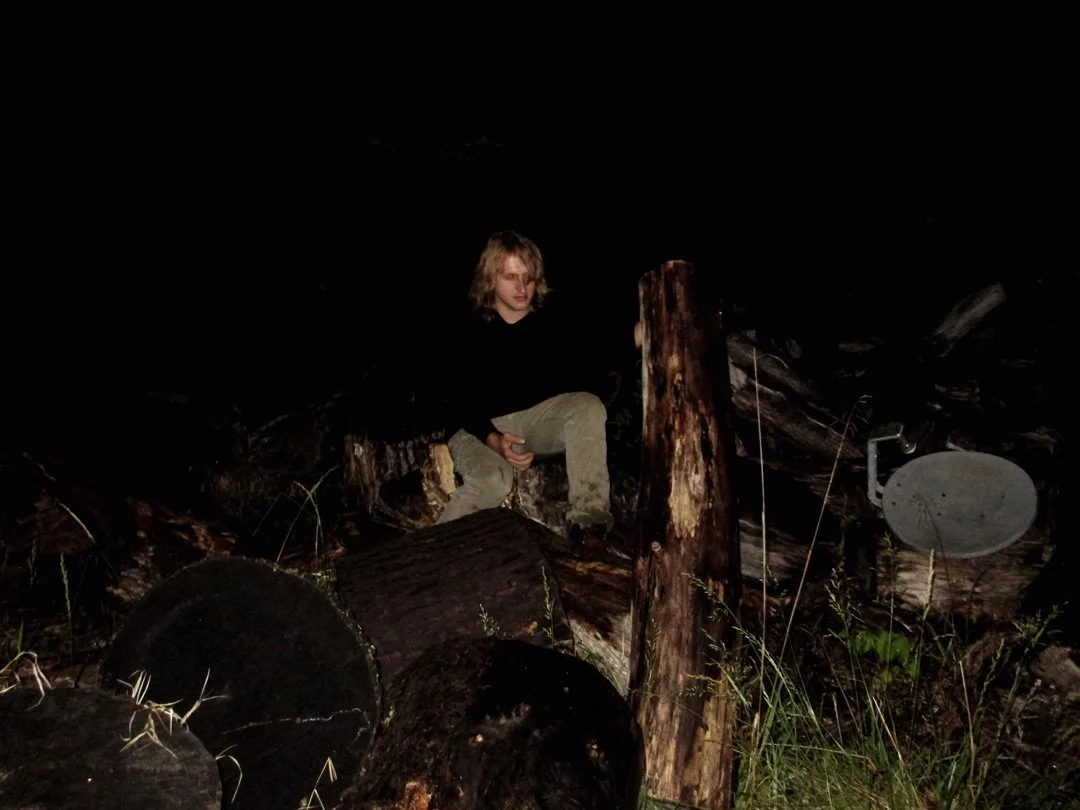
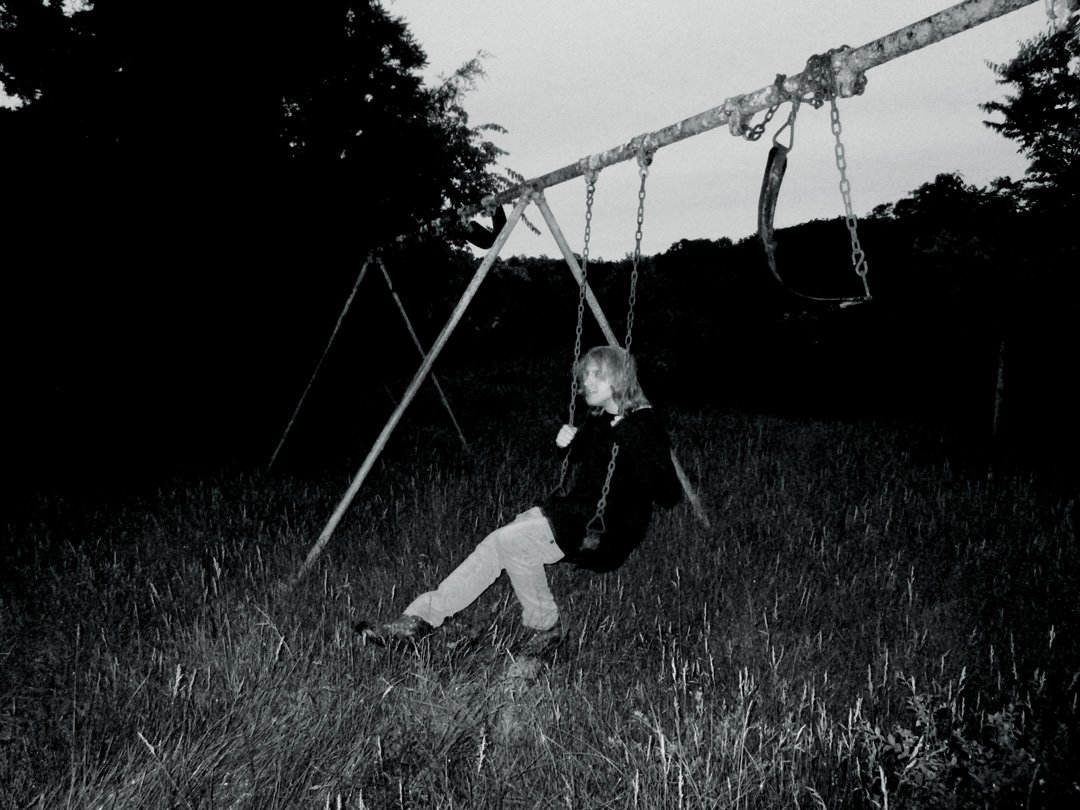
Melaina Kol, the alias of Nashville-based musician Logan Hornyak, is an ever-changing project. It’s unrecognisable now from what it was in 2018, for example, when he put out the lo-fi twee-pop record Bird Kill Worm, and it’s progressed too from the folktronica songs on 2021’s AMOSAT. Hornyak doesn’t like to get stuck on one thing; every album should be different from the last. “I like to get on motifs or ideas, like a theme, and I like to change the way that I record every single time,” he says.
For his new record, Okay that’s a great idea because if I do that then, Hornyak decided to lean away from guitar and electronics almost altogether. Instead, he taught himself cello and harp and returned to his childhood piano training. He wanted to fuse his long-time enjoyment of classical music with his interest in ambient and house music, the idea being to create an album that took the approach of electronic music using organic sounds. Classical instruments are chopped, looped and layered around a rhythmic pulse. The effect can be disorienting and uncentering, but disarmingly beautiful at the same time.
Hornyak let the curiosity and naïveté that came from learning new instruments lead his songwriting. He uses bowed and pizzicato (plucked) cello on opening track “Bleater” to create a haunting, unsettling backdrop, while on “Idola” the cello along with piano and acoustic guitar creates something pensive and delicate. On “Okay that’s a great idea’ and “Lifeheart,” harp is at the front, bringing in lightness and air. Some of the album’s richest textures come on “Parallel”, a track which is clearly indebted to house music with its insistent pulse and busy vocal samples; closing track “ili,” an ambient piece made from flute samples; and “Vai”, which was Hornyak’s attempt at a movie score in the vein of Yann Tiersen, on which plucked cello loops recede and swell to create a poignant arc.
Many songs on Okay that’s a great idea because if I do that then lean away too from traditional vocals. “I was obsessed with not singing; I kept imagining vocal lines that didn’t really fit my voice,” Hornyak says. Olivia O of Lowertown provided a sweet, wistful vocal feature on the title track, which Hornyak sampled to create vocal textures across much of the rest of the album. Elsewhere, he would compose vocals by singing gibberish mouth sounds and letting the words that fit sonically fall into place. Meaning came to the fore unconsciously. He was influenced by Cormac McCarthy’s The Road and the animated movie When The Wind Blows, two works about carrying a torch for hope through horrific circumstances. Looking at it now, Hornyak can see the feelings of despair and of feeling out of place that populate a lot of his music, but also a new sense of hope. “As you mature and time goes on, your perspective changes on that, and I feel like my perspective changed to be a lot more hopeful,” he says.
Hornyak recorded the album between home in Tennessee and a nearby studio. It was his first time getting to use a real studio for Melaina Kol songs, and he wanted the sound to be high-fidelity and stripped of effects. “I basically was like, I don’t even want reverb on anything, I just want it to sound like you’re in the room listening to it,” he says. He paid deeper attention to his performances than he ever had before, focusing on the “micro-details” of each instrumental part before weaving them together.
For all his restless creative energy, Okay that’s a great idea because if I do that then represents Hornyak in a more settled stage of life. “It’s a lot calmer than the last two albums. I did all those albums in my early 20s, when I was going through manic episodes and getting into drugs and stuff,” he says. “But I would say this album is kinda like the other end of that — the coming out of that, I would say. In my life, I feel a lot more at peace, and I feel like the album translates that.”
PRESS RELEASES
AUGUST 14, 2026 MELAINA KOL SHARES NEW RECORDS FILLED WITH VOCAL LOOPS, CELLO, AND HARP VIA JULIA’S WAR
JULY 22, 2026 MELAINA KOL SHARES NEW SINGLE “IDOLA” WITH OFFICIAL MUSIC VIDEO
JUNE 24, 2026 MELAINA KOL SHARES MISCHIEF-LACED, HOUSE INSPIRED “PARALLEL” WITH OFFICIAL MUSIC VIDEO
VIDEOS


PRESS IMAGES
CONTACT
Kenzie Davis
kenzie@bighassle.com