
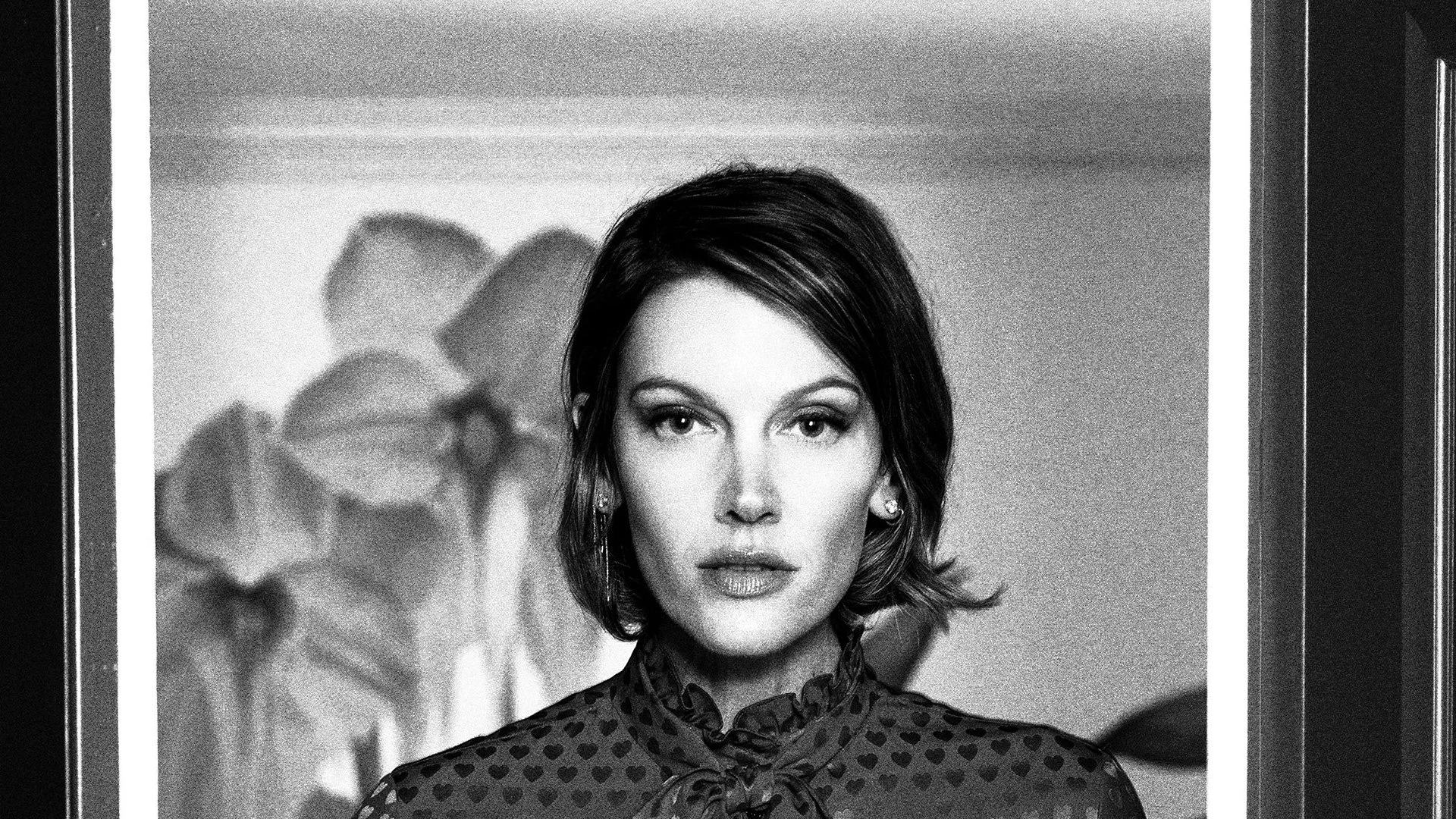
Juliet
BIOGRAPHY
In an industry built on momentum, Juliet’s story is less about speed than survival. Worn down by the machine pushing her towards stardom, she chose self-preservation. Rather than charge blindly into burnout, Juliet stepped away with purpose. And now, deliberately, she steps back in; this time on her terms. On the new EP Passages, Juliet paints with a broad sonic palette, tying together soaring synth-pop ballads, sleek, propulsive melodic house, and intimate, piano-driven odes with a raw emotional honesty.
At the turn of the millennium, Juliet entered the music industry the way many ascendent artists do: fast, young, and half-formed. Born in Philadelphia, she first rose to prominence with the group 1Plus1 (wherein she joined her brother, markie), landing a deal with Elektra Records. Carving space in the electro-club underground with a techno-infused reworking of “Cherry Bomb,” she was on a trajectory that suggested inevitability. But when the aftershocks of 9/11 rippled through both the global psyche and the music business, the project dissolved.
A solo deal with Virgin Records followed. Juliet was paired with two-time Grammy-winning producer Stuart Price (Madonna, Les Rhythmes Digitales), and together they built Random Order, a sleek, emotionally charged dance record that would yield Billboard Hot Dance Club chart-toppers “Avalon” and “Ride the Pain.” A collaboration with David Guetta on “Do Something Love” placed her firmly within the architecture of early-2000s global electronic pop. From an industry perspective, the path ahead was clear: major label, top-tier producer, charting singles, international collaborations.
Yet from a personal perspective, it was unsustainable. The industries’ ravenous thirst for the next single and sellout performance does not leave much space for health, wellness, or self-discovery. Indeed, between record deals, Juliet found herself in emotional turmoil and needing to confront unresolved wounds. She describes the period as a splintering; the result of a mind stretched beyond its structural limits, leading to a too-close brush with death.
Rather than recalibrate, she exited. Completely. “I am black and white in someways” she says. “When I walk away, I walk away. I refused to look back. I reconnected with my faith and embarked on a psychological and emotional healing journey.” She married, became a mother, and stepped into the high-visibility world of professional sports as the wife of an NBA player. Juliet redirected her energy towards family and philanthropy, investing quietly in humanitarian work. Music became a sacred and largely private part of her reality.
Meanwhile… her art endured. Unbeknownst to her, Juliet’s early work had accumulated over five million plays and sustains roughly 40,000 monthly listeners on Spotify to this day. In a digital economy defined by algorithmic churn and the constant output of content, the persistence of her music in spite of her absence was unusual. It suggested something beyond trend alignment: resonance.
It is the cultivation of resonance that is central to Passages. For Juliet, coming back to music means coming to accept herself as a storyteller first and foremost. The new EP is not a stylistic pivot designed for re-entry into dance culture nor is it an attempt to replicate the sonic architecture of Random Order. Born out of creative necessity, these songs are reckonings with complexities of our interior world and of forces beyond control in our exterior world.
Accordingly, the recording process was filled with time and spaces for exploration, reflection and resonance. Juliet worked with her brother (who had gone on to write and produce for Class Actress following his time in 1Plus1) in his home studio in Bucks County, Pennsylvania. Gone were the days of “A&R realignment” and jet-setting in search of the perfect sound. In its place, a small, well-heated room, a poorly behaved but much-loved Wurlitzer piano, a few excellent microphones, and time. When it came time to finalize mixes and mastering, they turned to two-time Grammy winner Glenn Barratt (Diana Ross, Teddy Pendergrass) at Morningstar Studios in Philadelphia.
That freedom to create, free from external constraints, is laced throughout Juliet’s new work. If her early career was defined by velocity, this chapter is defined by gravity. She is not interested in chasing relevance; she is interested in finding resonance. The highest praise she has received so far for the new material came in the form of a handwritten note from a listener: “This is that moment in my life. Thank you for putting words to it.” That is the north star by which Juliet navigates her new reality; intentional, deeply human, and definitively resonant.
PRESS RELEASES
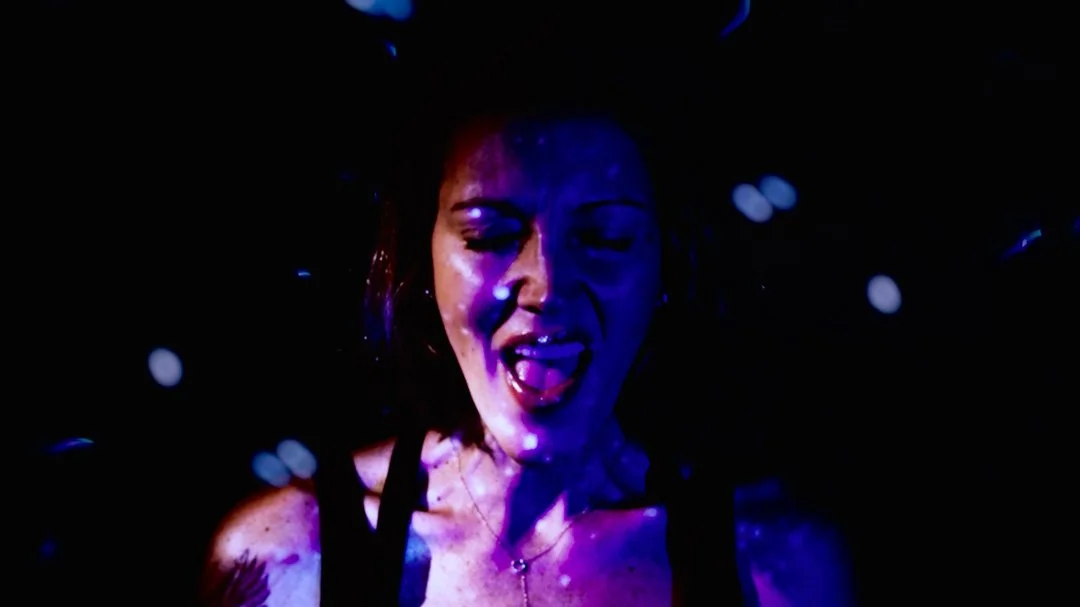
JULY 17, 2026 JULIET UNVEILS CAPTIVATING NEW VIDEO FOR SINGLE “LIBERTÉ”
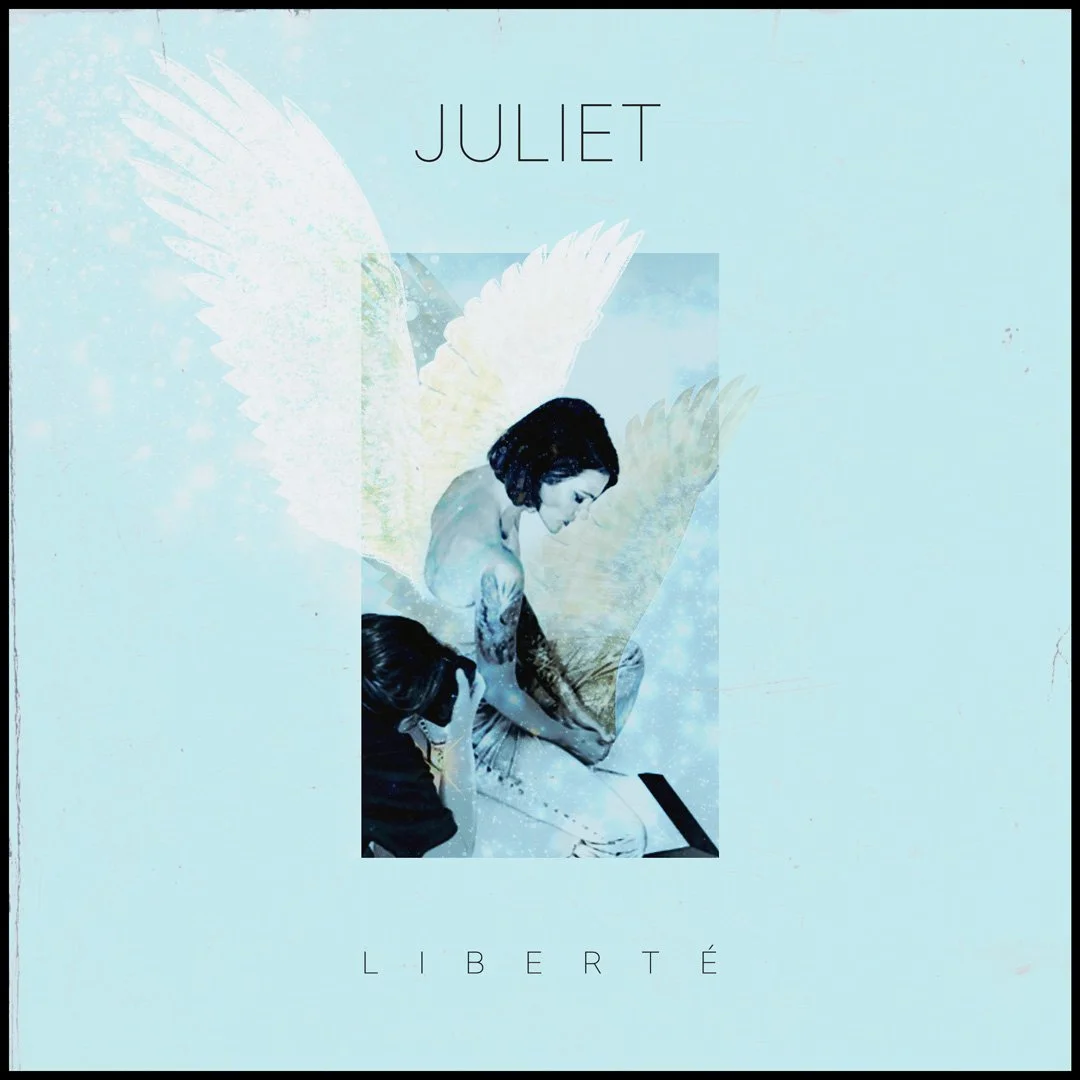
MAY 22, 2026 JULIET UNVIELS NEW SINGLE “LIBERTE’” - PASSAGES EP OUT THIS FALL
VIDEOS
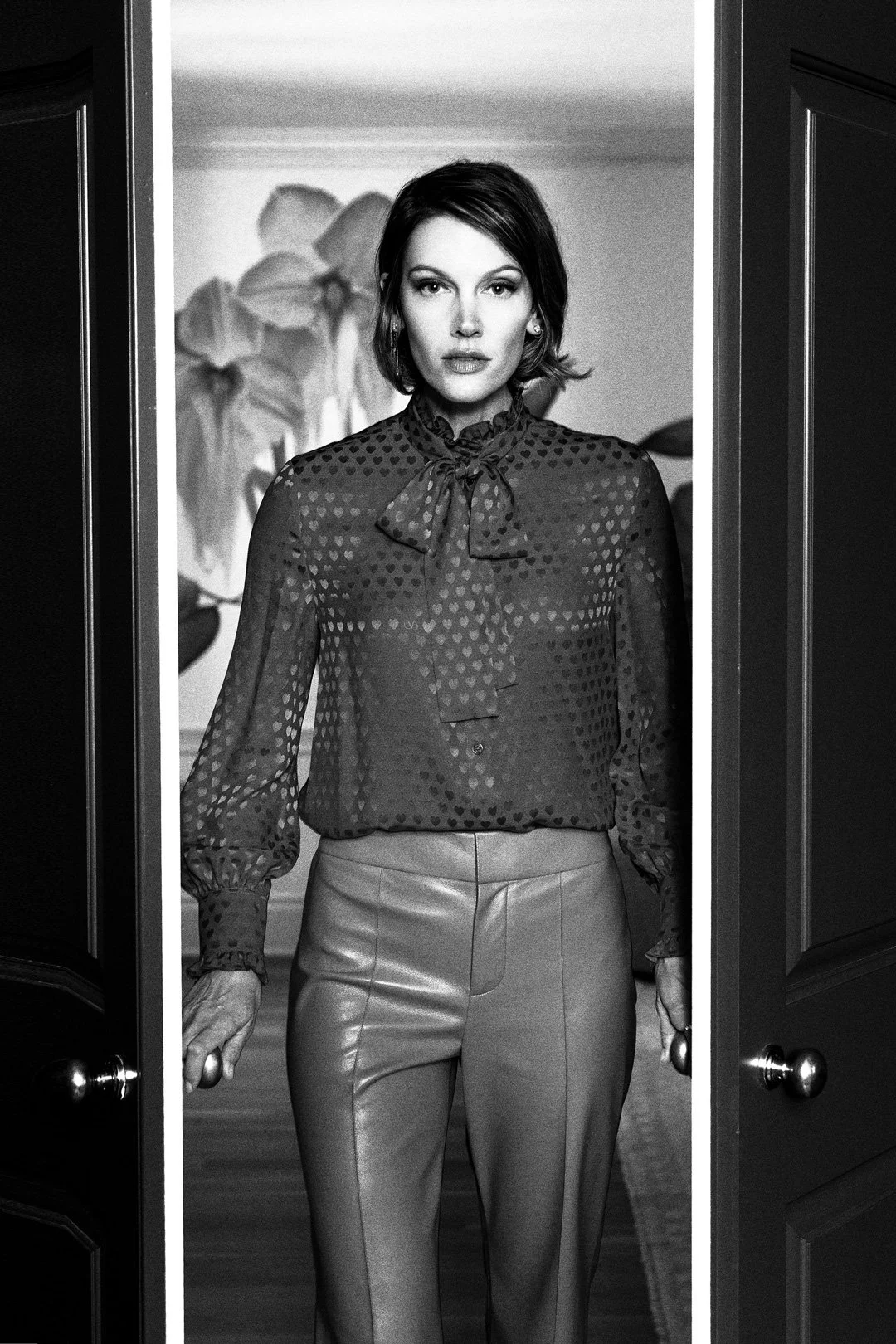
PRESS IMAGES
CONTACT
Ever Kipp
ever@bighassle.com